

Crisis Communications · Available 24 / 7

The first satisfying
72 hours.

A crisis isn’t managed by press releases. It’s managed by people who’ve seen this before.

Scroll

The Team

Senior partners. Not junior associates.

Every engagement is led by a named partner with direct experience in your category of crisis. The person on the phone at 2 a.m. is the person who handled the last one.

Senior partner reviewing documents at a conference table under focused desk lighting
██████ · Fortune 200 product recall, 2022

Margaret Hollis

Senior Partner, Corporate Crisis

Managed simultaneous FDA inquiry and class-action media wave. First statement issued 4 hours after internal notification.

Fortune 200 product recall, 2022Case details under NDA
Attorney partner walking briskly through courthouse corridor with briefcase in hand
██████ · State attorney general investigation, 2021

Daniel Achterberg

Partner, Regulatory & Litigation

Coordinated public posture across 11 state jurisdictions. Zero unauthorized disclosures over a 9-month engagement.

State attorney general investigation, 2021Case details under NDA
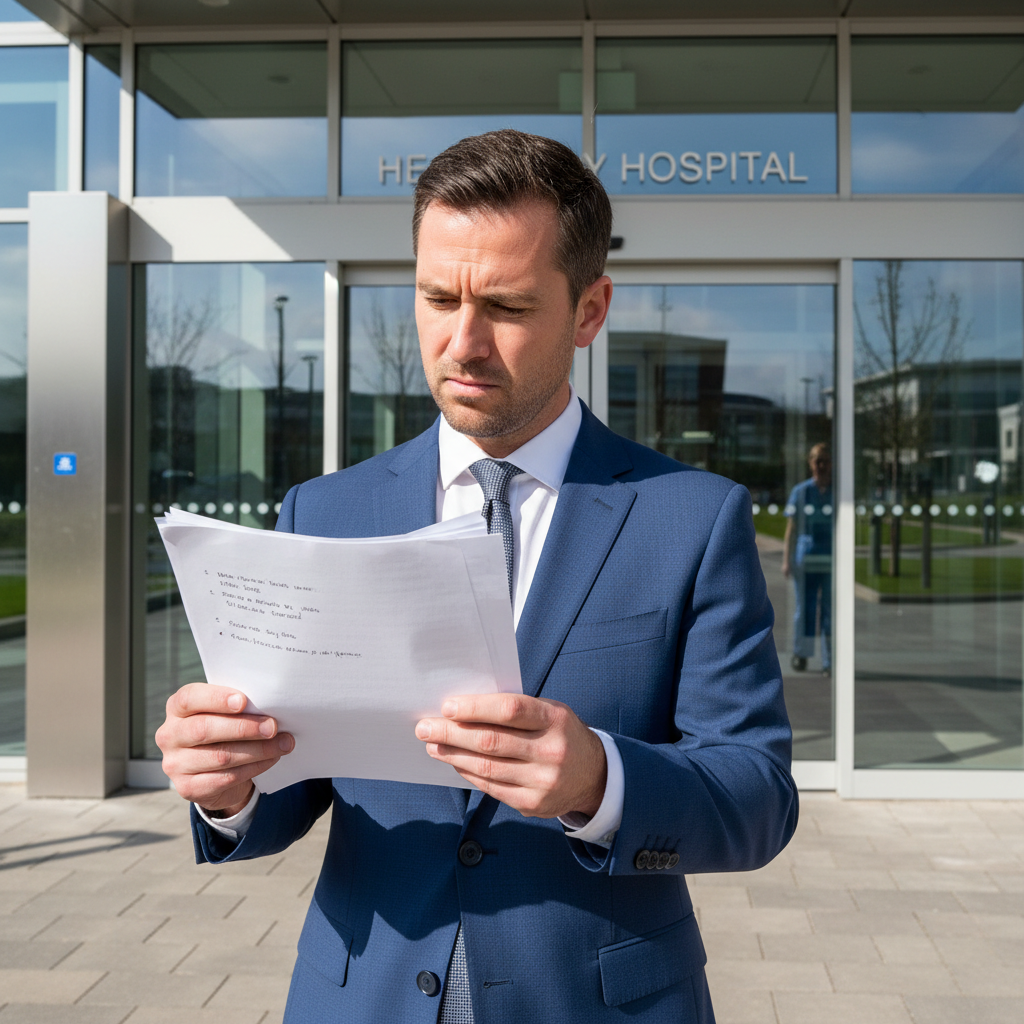
Healthcare communications partner standing outside a hospital entrance reviewing briefing notes
██████ · Hospital system malpractice exposure, 2023

Priya Sundaram

Partner, Healthcare & Life Sciences

Rebuilt institutional trust after a critical-care incident reached regional broadcast. Patient-family engagement protocol adopted system-wide.

Hospital system malpractice exposure, 2023Case details under NDA

The Defuse Principle

The question isn't whether your organization will face a crisis. The question is whether the people managing it have been in that room before.

What We Know

The mechanics your counsel hasn’t briefed you on yet.

Crisis Anatomy

The anatomy of a crisis news cycle

The first 90 minutes determine the frame. Once a frame is set in the public mind, facts become subordinate to it.

A crisis news cycle moves in three distinct phases. Phase one — the first 6 hours — is characterized by information scarcity and maximum speculation. Journalists are filing on fragments. Social media is constructing narrative. Your silence is being interpreted.

Phase two, hours 6 through 48, is when the story either compounds or begins to contain itself. This is the window in which a well-positioned statement, a credible spokesperson, and a clear factual record can redirect the frame before it calcifies.

Phase three is reputational accounting — the period when the institutional record is written. Organizations that survived phase two intact have leverage here. Those that didn't are managing damage for quarters.


Statement Strategy

Why the first public statement is almost never the most important one

The first statement buys time. The third statement builds trust. Most organizations never get to the third one.

The instinct in a crisis is to say something definitive, fast. This instinct is almost always wrong. A premature statement that proves inaccurate — even by a small margin — collapses credibility at exactly the moment you need it most.

The first public statement has one job: establish that you are taking this seriously, that you have people working on it, and that you will return with substance. It is a placeholder, not a position.

The second statement narrows the frame. The third statement, issued when you have verified facts and a clear posture, is the one that determines how the situation is ultimately characterized. The organizations that recover fastest are those that resist the pressure to over-commit early.


Dark Site Activation

What "dark site activation" actually means

A dark site is not a contingency plan. It is a decision already made — waiting only for the moment to flip the switch.

A dark site is a pre-built, pre-approved web property that exists in a dormant state until a crisis requires it. It contains pre-written statements, FAQ responses, resource links, and media contact information — all reviewed by legal, all aligned with brand voice, none requiring the 11 p.m. approval chain.

The value of a dark site is not the content. It is the decision-making that happened before the crisis. Every sentence on that site represents a conversation your organization already had about what you stand for, what you will disclose, and how you speak to affected stakeholders.

Organizations that activate a dark site within two hours of a crisis breaking are perceived as prepared and credible. Those that build their response site live, under pressure, are perceived as reactive — regardless of the quality of the final content.


Request a Confidential Briefing

A 30-minute call with a senior partner. No junior staff, no intake forms routed through an associate. You speak directly to the person who will run your engagement.

All submissions are confidential. No phone number required. A partner responds within 4 business hours.

Free Resource

The 72-Hour Crisis Playbook

A working document used by our partners in the first three days of an engagement. Not a marketing brochure — a field guide written for the people actually in the room.

Inside the playbook
01

The 6-hour window: what decisions can only be made in the first 360 minutes

02

How to structure your crisis team before the call with external counsel

03

The three questions every journalist will ask — and how to prepare your principals

04

Dark site checklist: 14 elements that need legal sign-off before crisis day

05

What "no comment" actually communicates — and when it is the right answer

Business email only. No phone calls will result from this download. Unsubscribe at any time.

When you’re ready

Request a Confidential Briefing

A 30-minute call with a senior partner. No junior staff, no intake forms routed through an associate. You speak directly to the person who will run your engagement.

All submissions are confidential. No phone number required. A partner responds within 4 business hours.